Capitoline Museums Accessibility and Family Guide
Plan an accessible or family visit with mobility approaches, tactile and LIS resources, pram rules, free companion entry, and route caveats.
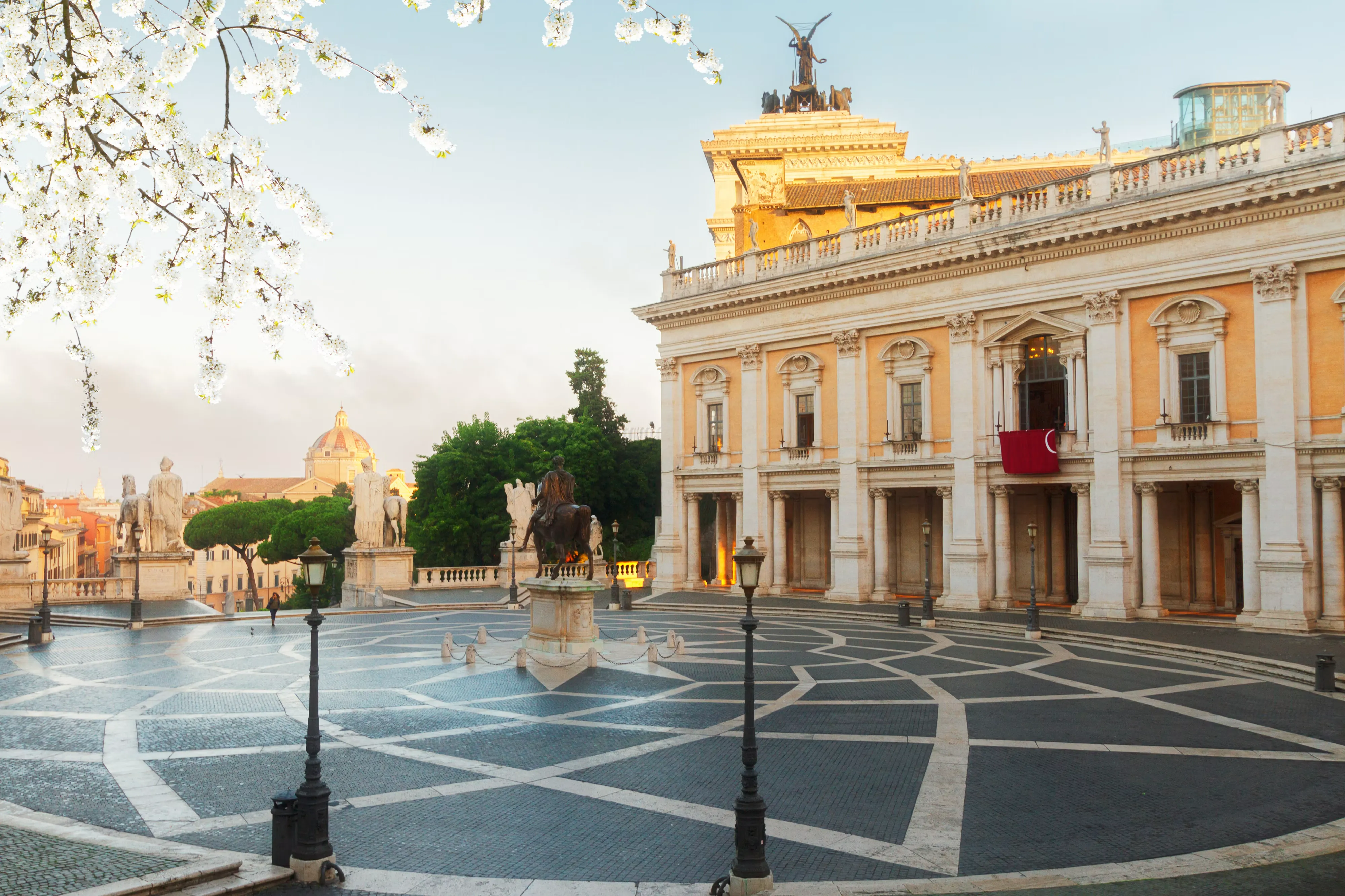
The Capitoline Museums occupy historic buildings on a hill, so an inclusive visit depends on route planning. The institution provides lifts, platforms, tactile resources and sign-language content, but restoration and the fabric of the palaces can temporarily limit access to particular areas.
Mobility access and arrival
The ceremonial approach from Piazza Venezia rises along the cordonata. Visitors who need a road-based route can approach through Via delle Tre Pile, Piazza della Consolazione or Via di San Pietro in Carcere under the museum's published guidance. Taxis may be able to reach Via delle Tre Pile, and Blue Badge parking is available beyond the portal at number 1.
Wheelchairs can be borrowed on request. Lifts, stairlifts and platforms serve much of the collection, and staff can explain the current sequence. Historic buildings make the accessible route different from the standard visitor route.
Check official notices shortly before travel. Restoration has recently made Palazzo Nuovo inaccessible to wheelchair users because the route to its lift was affected. This is a temporary operational condition, not a description of the museum's normal ambition.
Admission support
Visitors with disabilities and one family member or companion receive free admission when suitable documentation is presented. Priority access is available. International visitors should check whether a translation of their documentation may be requested.
Contacting the museum in advance is worthwhile when a specific gallery or support is essential. General statements that the museum is accessible cannot guarantee that every room is available on a given day.
Blind and partially sighted visitors
Permanent tactile books, panels and specially designed routes support exploration of selected important works. Guide dogs are admitted. The museum also offers or schedules tactile educational activities; availability and booking requirements should be confirmed.
These resources are most effective when incorporated into a planned route rather than requested after a long general visit.
Deaf visitors
Italian Sign Language resources include online videos about the museum, the history of the Capitol and the Pinacoteca. A touchscreen resource in the Temple of Jupiter area has also presented LIS content. Check the official accessibility pages for current links and on-site availability.
Visiting with children
Prams are permitted, though lifts and busy rooms may make a compact model easier. A family audio guide has been recommended for children roughly aged six to twelve. The strongest child-friendly route uses objects with clear stories:
- The She-wolf and twins.
- The thorn-pulling boy.
- Marcus Aurelius and his horse.
- Medusa's snake hair.
- The underground passage.
- The Dying Gaul or giant Marforio.
Alternate looking with movement. Courtyards, the glass Exedra and the Forum viewpoint prevent the visit from becoming a continuous sequence of similar rooms.
Comfort and facilities
The museum provides a cloakroom, toilets, a bookshop and a cafeteria with external access at Piazzale Caffarelli 4. Do not assume every service is open throughout museum hours. Bring water for before and after the visit, but food and drink are not permitted in galleries.
Plan two hours with younger children and choose six to eight stops. For visitors who need rests, identify seating as you move rather than waiting for fatigue. An inclusive visit is not defined by completing the entire museum; it succeeds when the route protects comfort and gives the selected works enough time to be understood.
Om forfatteren

Editorial Team
Denne uafhængige guide er redigeret ud fra officielle museumsoplysninger og autoritative kulturkilder; praktiske detaljer er gennemgået for klarhed, og tidsfølsomme oplysninger er markeret til kontrol.
Tags
Comments (0)
Loading comments...